Cooler dry season
November – February
The most popular window: milder mornings, lower humidity, and busy temples, especially December and January. Book popular tables and hotels a bit ahead. Perfect for long walking days at Angkor.
Cambodia
From Angkor’s stone silhouettes to Phnom Penh’s boulevards and the quiet rhythm of the countryside, Cambodia rewards travellers who stay a little longer. Here’s what to expect, when to come, and how to move with respect, before you open our city maps.
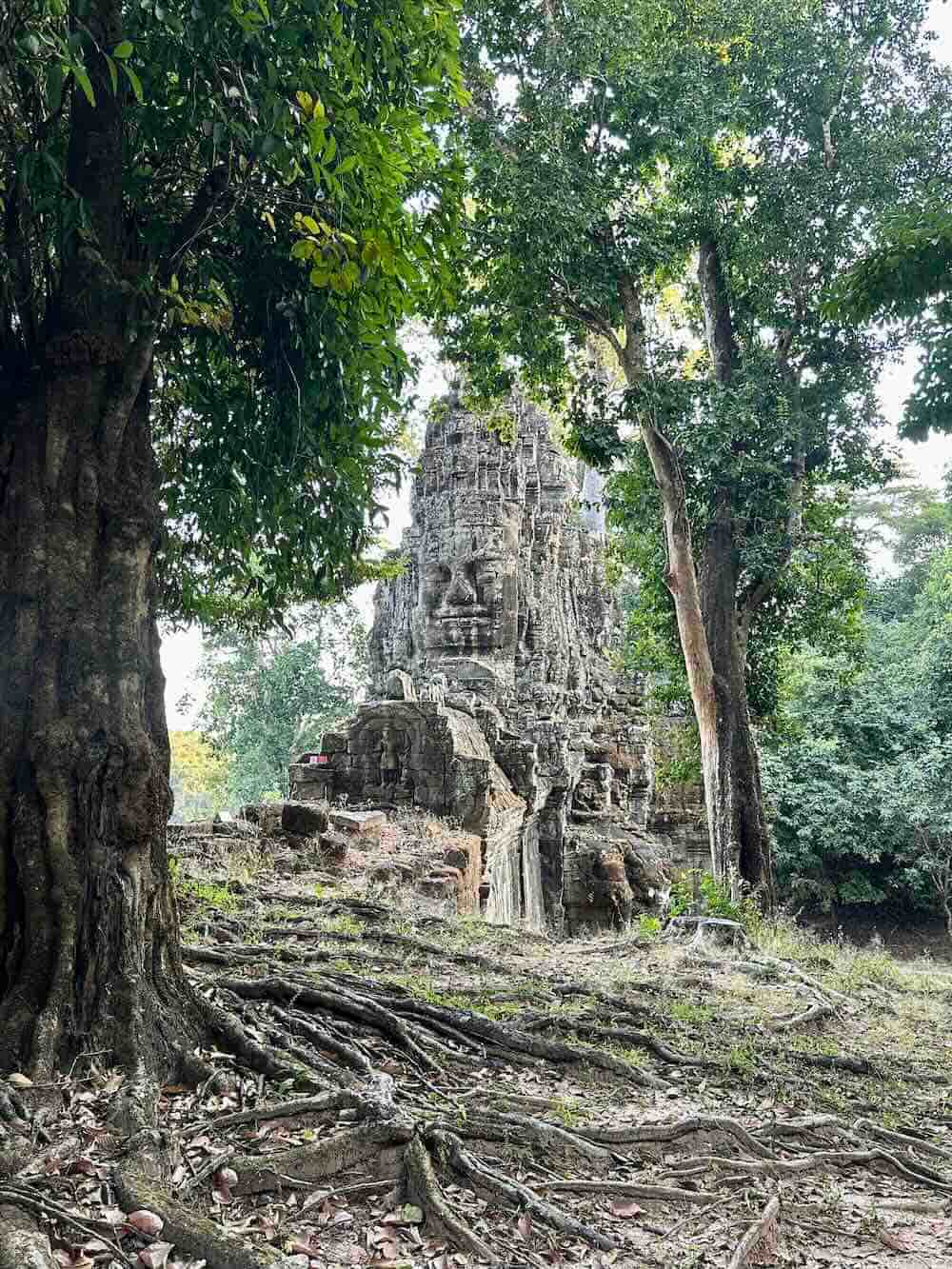
A compact Southeast Asian nation between Thailand, Laos, and Vietnam, shaped by the Mekong and Tonlé Sap. Most visitors combine Siem Reap (Angkor) with the capital Phnom Penh; the south coast and Battambang add depth on longer trips.
There is no bad season, only different light, heat, and crowds. Match your dates to how much rain and heat you’re happy with, and whether you want peak festival energy or quieter sites.
November – February
The most popular window: milder mornings, lower humidity, and busy temples, especially December and January. Book popular tables and hotels a bit ahead. Perfect for long walking days at Angkor.
March – May
Temperatures climb before the rains return. Fewer visitors than peak season; sunrise at Angkor is still magical. Stay hydrated, plan shade, and favour early starts.
June – October
Short, heavy showers; landscapes turn lush. Angkor’s moats and jungle feel cinematic. Occasional downpours rarely last all day, many travellers love the mood and softer prices outside the busiest weeks.
Cambodia is more than a temple checklist. Cities mix French-colonial bones with new design; markets hum from dawn; and community projects, crafts, and cooking classes offer real encounters beyond the postcard.
Angkor Archaeological Park is the headline, but lesser-known ruins, living monasteries, and Phnom Penh’s Silver Pagoda and National Museum add layers to Khmer history and art.
The Tonlé Sap’s rhythm (expanding and shrinking with the seasons) shapes life around Siem Reap. In Phnom Penh, sunset along the Mekong and Bassac rivers is a daily ritual.
Cardamom forests, pepper plantations near Kampot, islands off Sihanoukville’s coast, and countryside around Battambang reward those who rent a bike or take an extra day by the water.
Galleries, rooftop bars, specialty coffee, Khmer-fusion kitchens, and social enterprises show a country looking forward while honouring craft and family.
Dates follow the Buddhist lunar calendar for some events, so they shift slightly year to year. Check a current calendar before you book; during major festivals, transport and hotels fill up fast.
1 January
A public holiday; cities celebrate with fireworks and gatherings.
Usually mid-April (3 days)
The country’s biggest family reunion: water blessings, games, and travel peaks as people visit home provinces. A joyful, noisy time, plan transport early.
April or May (full moon)
Buddha’s birth, enlightenment, and parinirvāṇa, processions to temples, candles, and quiet devotion.
Usually May
An ancient royal ritual marking the start of the rice-growing season; auspicious forecasts for the harvest draw crowds in Phnom Penh.
14 May
Public holiday honouring the King; patriotic and ceremonial displays.
September or October (15 days, peak 3 days)
Families bring offerings to pagodas for deceased relatives. Deeply spiritual; respect quiet around temples.
Usually November (3 days; lunar)
Boat races on the Tonlé Sap reversal, concerts, and huge crowds in Phnom Penh. Electric atmosphere, book accommodation well ahead.
9 November
Marks independence from France (1953); ceremonies and fireworks, especially in Phnom Penh.
A few habits make travel smoother: carry small-dollar notes, dress modestly at religious sites, and download offline maps for temple days.
Many nationalities can obtain an e-visa before arrival or a visa on arrival at major airports and land borders. Passport usually needs six months’ validity; confirm rules for your nationality on official sites.
US dollars are standard for hotels, tours, and many restaurants; riel is used for small change and local stalls. ATMs exist in cities; carry cash in rural areas.
Local SIM cards are inexpensive and widely sold (passport may be required). Wi-Fi is common in cafés and hotels; 4G coverage is good in urban centres.
Use bottled or filtered water; protect against sun and dehydration. Consult a travel clinic for vaccines and malaria advice if you visit remote forested areas.
Tuk-tuks and ride-hailing apps (e.g. Grab) are convenient in cities. Buses and domestic flights link Phnom Penh, Siem Reap, and the coast; allow buffer time on festival dates.
Cover shoulders and knees; remove shoes where indicated; speak softly; don’t touch monks without permission; avoid posing with your back to Buddha images. Sunrise at Angkor is crowded, patience and respect go far.
The Khmer concept of “saving face” favours calm, polite interaction. A smile opens many doors; public anger is rare and uncomfortable. Learn a few Khmer phrases, “sous-dey” (hello) and “aw kohn” (thank you) are appreciated.
The King is widely respected. Conversations about recent history are best approached with sensitivity; many families carry memories of difficult decades.
Monks collect alms in the morning; offering food is meritorious. Women traditionally do not touch monks. Enter pagodas with humility, you’re a guest in sacred space.
Modest clothing suits temples and rural villages. Ask before photographing people, especially monks and children; some sites restrict drones.
Khmer cuisine is herb-forward, less fiery than neighbouring Thailand, with soups, grilled fish, and fermented flavours. Markets are the best classroom, follow the smoke and the morning crowds.
Steamed coconut curry with fish and kroeung spice paste, often called Cambodia’s national dish.
Rice noodles with green fish gravy, fresh herbs, and vegetables, classic breakfast fare.
World-renowned peppercorns; try crab with green peppercorns on the coast or in specialist restaurants.
Grilled pork with pickled vegetables over rice, a satisfying start to any day.
Why we went all-in on Cambodia
We live here. We update listings when a place closes, when a chef changes the menu, or when a new neighbourhood becomes the right spot for dinner after a long temple day.
Our print map reaches 220+ hotels and guesthouses; the digital guide lives in your pocket with the same editorial bar, local, current, and honest.
Cities
Interactive maps, dining, nightlife, shopping, already narrowed down for you.
Start with the city you’re visiting first, or browse the journal for context before you land.
Back to homepage